
Samsung continues to refine its foldable phone strategy with fresh details emerging about the Galaxy Z Fold 8. Recent leaks shared by Mashable highlight several design and hardware adjustments that suggest the company aims to address longstanding user feedback while maintaining its position in the premium foldable market. The information points to incremental but meaningful changes that could make the device more practical for daily use.
One of the most noticeable shifts involves the outer display. According to the leaked specifications, the Galaxy Z Fold 8 will feature a wider cover screen compared to the Z Fold 7. This adjustment brings the aspect ratio closer to that of a conventional smartphone, potentially reducing the narrow, tall appearance that has defined previous Fold models. Users have often complained about typing on the external screen or viewing content without unfolding the device, and this wider format appears designed to alleviate those frustrations. The cover display is expected to measure approximately 6.5 inches with a resolution that supports sharper visuals for quick tasks like notifications, messaging, and media previews.
The inner folding screen also receives attention in the reports. Sources indicate Samsung plans to increase the diagonal size slightly while keeping the overall folded footprint compact. The main display could reach 8 inches when opened, with an under-display camera that has been further refined to minimize the visible dot pattern that sometimes distracts from full-screen content. Brightness levels are rumored to improve as well, possibly reaching peaks similar to recent Galaxy S series flagships. This enhancement would make the phone more usable outdoors, where foldables have traditionally struggled against direct sunlight.
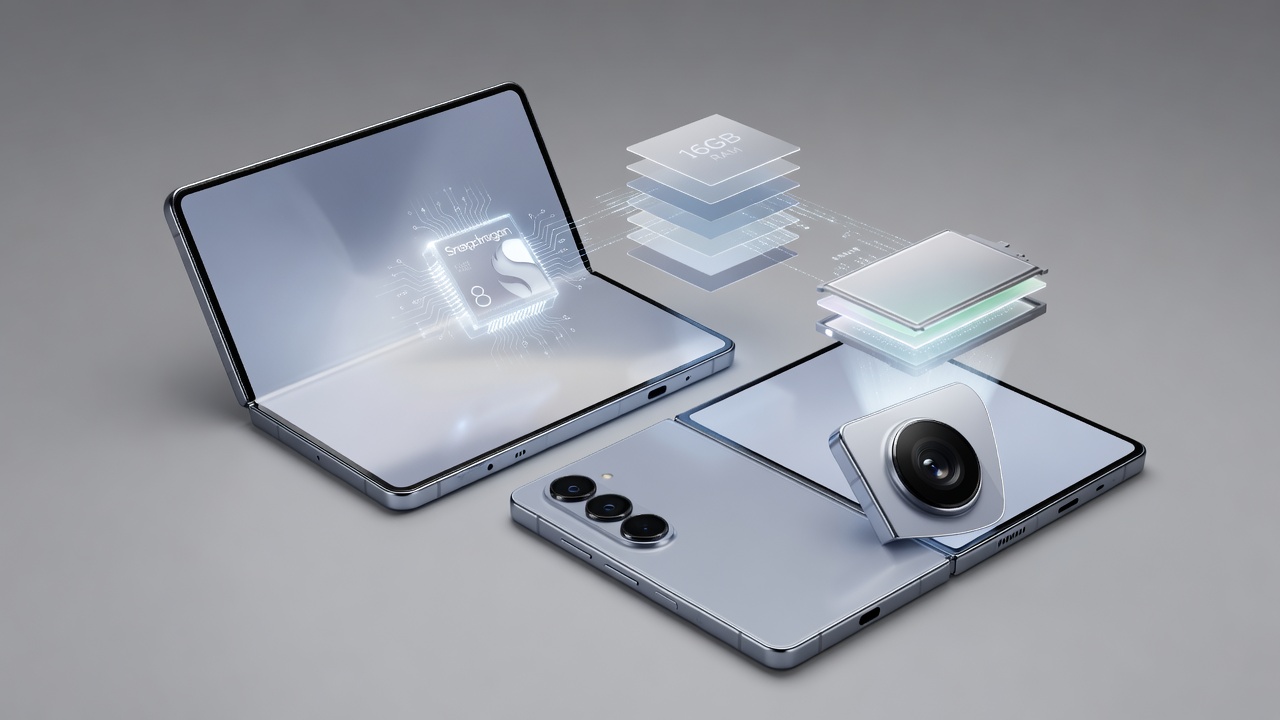
Hardware under the hood looks set to follow Samsung’s typical flagship trajectory. The device is widely expected to ship with Qualcomm’s Snapdragon 8 Gen 4 processor, paired with at least 12GB of RAM and storage options starting from 256GB. Some leaks suggest a 16GB RAM variant could appear for users who run multiple apps simultaneously across the large inner screen. Battery capacity reportedly increases to around 4,600mAh, a modest bump that combined with more efficient chip manufacturing processes should deliver better endurance than the Z Fold 7. Wireless charging speeds remain consistent with previous generations, while wired charging could see a small improvement to 25 watts.
Camera systems form another area of focus in the leaked information. The Galaxy Z Fold 8 is said to adopt a triple rear camera arrangement similar to recent Ultra models, potentially including a 200-megapixel main sensor. This would represent a significant upgrade from earlier Fold iterations and allow for more detailed shots in various lighting conditions. The under-display camera on the inner screen may receive its own sensor improvements, helping with video calls and selfies when the device is fully opened. Front-facing cameras on the cover screen are expected to stay at 10 megapixels, which remains adequate for most casual use cases.
Design refinements extend beyond screen sizes. The hinge mechanism appears to have undergone further optimization, with leaks suggesting reduced crease visibility and improved durability. Samsung has steadily decreased the prominence of the screen fold line through successive generations, and the Z Fold 8 could represent another step forward in that progression. Materials chosen for the frame and back panel likely include titanium elements to balance strength and weight, addressing one of the common criticisms that foldables feel too heavy for prolonged single-handed operation.
The leak also touches on software features tailored to the new hardware. Android 16 with Samsung’s One UI 8 is expected to ship on the device, bringing enhanced multitasking gestures that take advantage of the larger inner display. Users might see improved split-screen functionality, better drag-and-drop support between apps, and more intuitive ways to run three or four applications at once. Samsung’s continuing partnership with Google could yield exclusive productivity tools that make the Fold form factor feel less like a novelty and more like a genuine work companion.
Pricing remains one of the bigger unknowns, though history suggests the Galaxy Z Fold 8 will start near the $1,800 mark. Trade-in programs and carrier promotions will likely play a significant role in making the phone accessible to more buyers. Samsung typically offers generous discounts for customers upgrading from older foldables, which helps soften the premium cost associated with this category.
Competition in the foldable space continues to intensify. Chinese manufacturers have released compelling alternatives with aggressive pricing and innovative features such as larger batteries or unique hinge designs. Samsung’s response with the Z Fold 8 seems calculated to maintain its reputation for quality while incorporating the practical improvements users have requested. The wider cover screen in particular could help the device appeal to people who previously avoided foldables because they felt too compromised when closed.
Manufacturing yields for ultra-thin glass and advanced hinge components have improved substantially in recent years, allowing Samsung to produce these devices at greater scale. This efficiency may eventually lead to more affordable foldables, although the Z Fold 8 is expected to remain a flagship product. The company has also expanded its foldable lineup with the Z Flip series, creating a broader range of options for different customer preferences and budgets.
Early indications from the leak suggest the Galaxy Z Fold 8 will emphasize usability over radical redesign. Rather than introducing an entirely new form factor, Samsung appears to have concentrated on refining existing elements that have drawn criticism. The combination of a more usable external display, brighter screens, stronger cameras, and smoother software integration could create a device that feels more complete than its predecessors.
Durability testing remains a key concern for any foldable. While official IP ratings have improved over time, real-world experiences with dust ingress around the hinge continue to worry some potential buyers. The leaked specifications do not provide exact details about water and dust resistance, but Samsung has shown steady progress in protecting the folding mechanism. Additional protective layers on the inner screen and more robust adhesives could help extend the lifespan of the flexible display.
Color options mentioned in the reports include classic choices like black and silver along with newer finishes that offer subtle gradients or matte textures. These aesthetic touches help differentiate the phone in a market where premium materials have become expected. The overall thickness when folded appears to have decreased slightly, making the device easier to slip into a pocket despite the dual-screen architecture.
Accessories will likely expand alongside the new model. Samsung has developed cases that support the S Pen, which remains a popular feature for note-taking on the large inner display. Newer generations of the stylus could offer improved pressure sensitivity and lower latency, taking fuller advantage of the expansive canvas the Fold provides. Keyboard accessories and desktop-style stands may also see updates to complement the productivity focus.
The timing of the launch seems consistent with Samsung’s recent pattern of announcing new foldables in the summer months. This schedule allows the company to showcase its latest devices before the traditional fall flagship season dominated by slab-style phones. By releasing the Z Fold 8 earlier, Samsung can capture consumer attention and establish market momentum.
Consumer interest in foldables has grown steadily as the technology matures. Initial skepticism about reliability and cost has gradually given way to appreciation for the expanded screen real estate that enhances video consumption, gaming, and document editing. The Galaxy Z Fold 8 appears positioned to build on that growing acceptance by delivering a more refined experience that addresses previous shortcomings.
Battery management software will play an essential role in the device’s real-world performance. With two screens that can operate independently, power consumption varies significantly depending on usage patterns. Samsung’s optimization efforts reportedly include smarter allocation of processing resources between the main and cover displays, potentially extending usage time during mixed workflows.
Photography capabilities receive particular emphasis in the leaked details. The 200-megapixel sensor would enable superior cropping flexibility and detailed 8K video recording. Integration between the rear cameras and both screens could create interesting new shooting modes, such as using the cover display as a preview monitor while capturing images with the main array. This arrangement has proven popular in previous Fold models and seems likely to receive further enhancements.
Display technology continues to advance in meaningful ways. The inner panel’s refresh rate is expected to reach 120Hz with adaptive switching to conserve power when high frame rates are unnecessary. Reduced reflection coatings and improved anti-fingerprint layers could make the screen more pleasant to interact with throughout the day. These incremental material science improvements accumulate to create a noticeably better user experience even if they do not appear dramatic on paper.
Software updates represent another area where Samsung has strengthened its offering. The company now promises seven years of security patches and major Android version updates for its flagship devices, including foldables. This extended support helps justify the high purchase price and provides peace of mind for buyers who plan to keep the phone for multiple years.
Market analysts suggest that foldable adoption rates are accelerating, particularly in Asia and parts of Europe. North American consumers have been somewhat slower to embrace the category, partly due to carrier pricing and lingering concerns about durability. The refinements in the Galaxy Z Fold 8 could help address those reservations and broaden the appeal of this product segment.
Access to advanced artificial intelligence features may also factor into the phone’s capabilities. Samsung has integrated various AI tools across its recent devices, and the Z Fold 8 is expected to benefit from enhanced on-device processing that can take advantage of the larger screen for complex tasks like real-time translation or image generation. These features often feel more natural on a device that can transform between phone and tablet modes.
The hinge design deserves special mention because it determines much of the user experience. Reports indicate the Z Fold 8 will allow the device to remain stable at various angles, facilitating hands-free video calls, cooking reference viewing, or laptop-style content creation. This flexibility has become a signature advantage of foldable designs, and Samsung appears committed to perfecting the mechanism with each generation.
Overall, the information shared through the Mashable report paints a picture of a device that refines rather than reinvents the foldable formula. By focusing on practical improvements to the cover screen, camera performance, battery life, and software integration, Samsung seems intent on creating a Galaxy Z Fold 8 that satisfies both existing fans and potential newcomers to the category. While final specifications could still change before official announcement, the current leaks suggest a compelling evolution that addresses many of the compromises that have defined this product line since its introduction. The coming months will reveal exactly how these rumored features translate into a finished consumer product ready for widespread availability.


 WebProNews is an iEntry Publication