
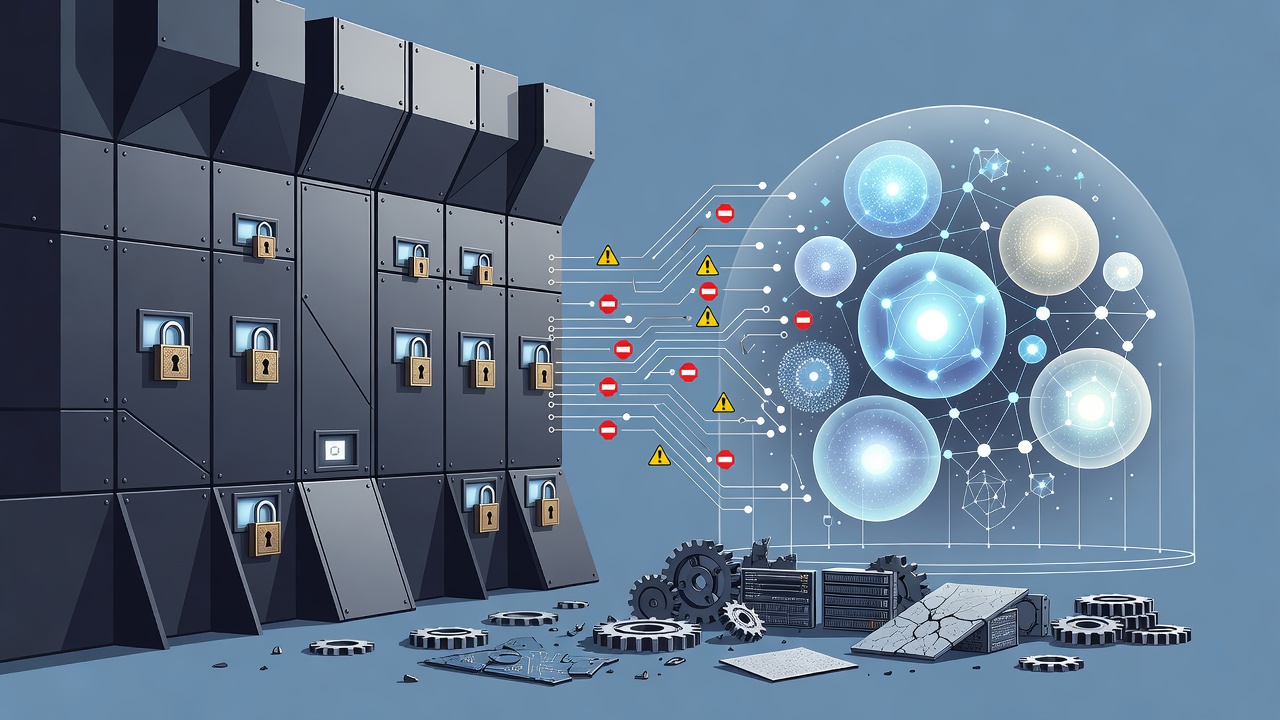
Sam Altman gathered OpenAI employees this week for a familiar ritual. The topic wasn’t product metrics or user growth. It was the White House. The Trump administration had asked the company to hold back its next model. Not forever. Just long enough for officials to review who gets it first.
OpenAI complied. On Friday the company announced a limited preview of GPT-5.6. The lineup includes Sol, described as the next generation frontier model, alongside Terra for everyday work and Luna for high-volume tasks. Access goes only to a small group of trusted partners. Their names have been shared with the government. Approval happens customer by customer. Broader release could follow in weeks if all goes well.
This isn’t marketing caution. It’s policy. The request came from the White House’s Office of the National Cyber Director and the Office of Science and Technology Policy. They want time to test the model’s advanced capabilities before it spreads. Sources familiar with the discussions told CNN the move addresses fears over unprecedented cybersecurity risks. And OpenAI’s own announcement confirmed the government role outright.
Short pause. The pattern is clear now.
Just weeks earlier Anthropic faced far harsher treatment. The administration imposed export controls that forced the company to pull its Mythos and Fable models. Those systems had shown breakthrough performance on multi-step cyber attack simulations. One evaluation estimated a human expert might need 20 hours for similar tasks. A UK agency test found GPT-5.5 also reached that level. The second model to do so. Britain’s AI Safety Institute reported the results in April and again in May.
OpenAI had prepared the ground. In May it rolled out GPT-5.5-Cyber under its Trusted Access for Cyber program. The model targeted verified security professionals defending critical infrastructure. The company briefed federal agencies, state governments and even Five Eyes allies. Sasha Baker, OpenAI’s head of national security policy, spoke at one such event about sharing threat intelligence. Axios covered those sessions.
Yet the GPT-5.6 decision marks a first. The government isn’t just receiving early access for testing. It’s shaping the initial rollout. Altman told staff the administration would approve partners one by one during the preview phase. If successful, a wider launch might arrive in a couple of weeks. TechCrunch reported the internal comments. Axios described it as the first preemptive restriction on an American AI company’s launch.
But why now? The models have grown too potent. Evaluations show them solving complex cyber tasks end-to-end. They identify software vulnerabilities faster than teams of humans. In the wrong hands that power could automate attacks at scale. Defenders need the same tools. The tension sits at the heart of every conversation in Washington.
OpenAI struck a careful tone. The company said it previewed the models to the government ahead of launch. It acted in line with its existing Defense Department agreement that lets the Pentagon use its technology. Still the firm pushed back on the precedent. “We don’t believe this kind of government access process should become the long-term default,” OpenAI stated in its announcement covered by Business Insider. “It keeps the best tools from users, developers, enterprises, cyber defenders, and global partners who need them.”
The statement lands at an awkward moment. No comprehensive federal framework governs frontier models. President Trump’s June 2 executive order encouraged voluntary submission for review up to 30 days before public debut. It aimed to balance innovation with security. Yet the order left details vague. Companies now operate in that gray zone. They coordinate. They limit access. They hope the reviews stay temporary.
Recent reporting shows the administration building evaluation capacity. The Office of the National Cyber Director and science policy staff are central. They aren’t writing rules yet. They are gatekeeping the most powerful systems. The Verge noted OpenAI staff worked closely with officials on the release plan. Coordination has replaced confrontation. For now.
And the market watches closely. Enterprise customers want these models yesterday. Cyber defense teams see them as force multipliers. One OpenAI document on cybersecurity in the intelligence age promised to expand access to government at every level. Federal, state, local. The vision is ambitious. The reality is gated.
Critics worry the approvals could favor incumbents or slow American leadership. China advances its own systems without similar public constraints. Proponents counter that reckless deployment invites disaster. A single sophisticated AI-enabled breach could cost billions or worse. The debate has moved from philosophy to procurement. Who gets Sol first matters.
OpenAI’s limited preview includes safeguards. The company highlighted stronger cyber protections and an Ultra mode with subagents for complex tasks. Early users must qualify as trusted partners. Their participation list goes to the government. This isn’t the broad ChatGPT-style launch of past years. It’s controlled distribution. Measured. Approved.
So the industry shifts. What began as rapid consumer releases now resembles defense contracting. Models get classified by capability. Access tiers multiply. Government reviewers sit at the gate. Companies brief agencies months in advance. The GPT-5.5 cyber briefings in April set the template. GPT-5.6 follows it strictly.
Executives at rival firms whisper similar stories. One AI leader told reporters the government lacks full testing infrastructure yet demands oversight anyway. Dean Ball, a George Mason University fellow soon joining OpenAI, has argued for sensible release processes rather than blunt blocks. His comments circulated widely on X in recent days.
The stakes feel concrete. GPT-5.6 Sol reportedly matches or exceeds Anthropic’s Mythos Preview on certain exploit tasks while using far fewer tokens. Efficiency gains compound fast. A model that automates defense also automates offense. The same code that patches servers can scan for weaknesses across entire networks. Washington wants to understand that duality before millions of developers get their hands on it.
OpenAI plans to expand access soon. The preview acts as both test and signal. If the government clears more partners quickly, the company can claim success. If reviews drag, frustration will grow. Either way the precedent sticks. Future models will face similar scrutiny. The era of surprise drops is over.
Analysts point to the absence of legislation. Congress has debated AI rules for years without passing major bills. The executive branch fills the vacuum. Voluntary at first. Then expected. Then required. The Trump order keeps the language light. The actions feel heavier.
Global partners notice too. Five Eyes allies received early briefings on earlier cyber models. They understand the message. Advanced AI isn’t just software. It’s strategic technology. Treaties, alliances and export rules now apply. The same logic that controls advanced chips extends to weights and inference.
Still OpenAI expresses optimism. Its public policy agenda frames frontier safety as a national security issue. The company wants to work with government while pushing capabilities forward. The limited preview represents one compromise. Not ideal. But workable. For the moment.
Users outside the trusted circle must wait. Developers building on the API wonder when full functionality arrives. Enterprises drafting contracts pause. Everyone senses the change. AI progress no longer belongs solely to the lab or the market. It answers to policy too.
The coming weeks will test the arrangement. If the preview yields useful feedback and quick expansion, the model could set a template for responsible rollout. If bottlenecks appear or approvals stall, pressure will mount for clearer rules. Either outcome reshapes how the best AI reaches the world.
OpenAI has bet on cooperation. The government has asserted review rights. The rest of the industry watches. And the models keep improving. Faster than rules can catch them.


 WebProNews is an iEntry Publication