
Side events at TechCrunch Disrupt have grown into powerful platforms that allow brands to claim their own space within one of the technology industry’s largest gatherings. According to a recent announcement from TechCrunch, companies seeking to stand out now have expanded opportunities to host tailored experiences that align directly with their messaging and audience goals during the 2026 edition of the event.
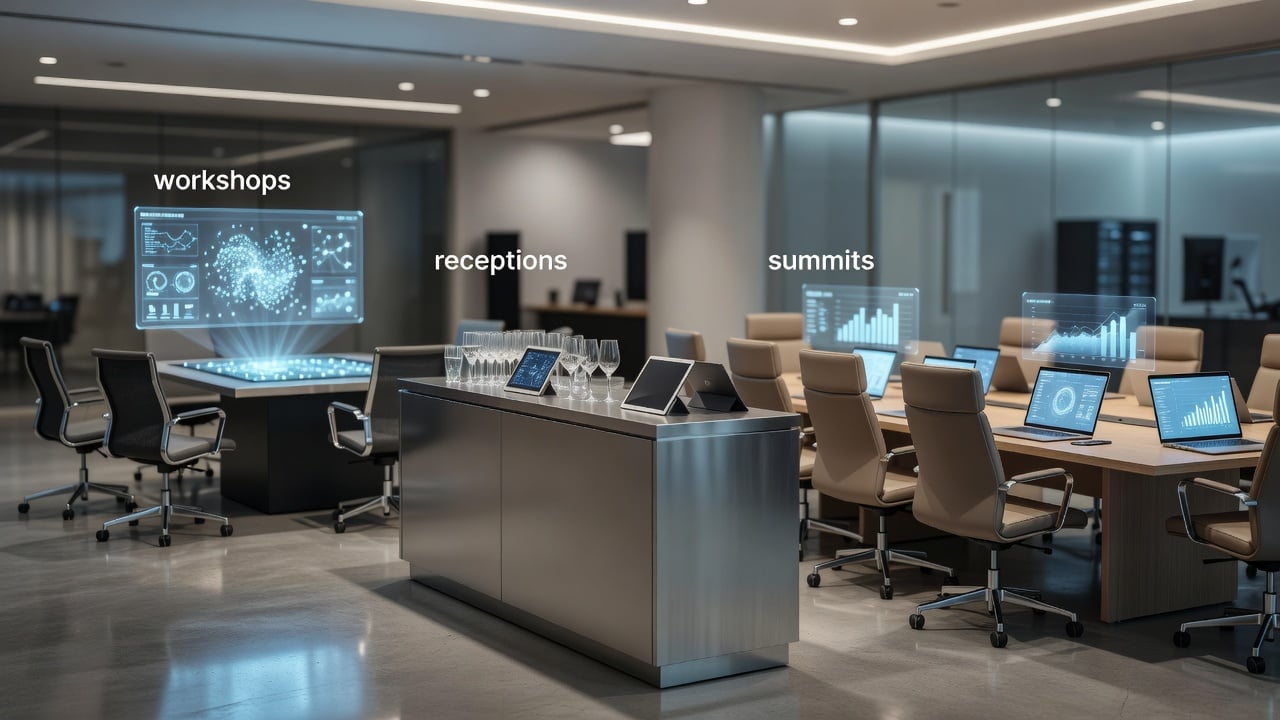
These side events function as independent productions staged alongside the main conference program. Organizers can choose from a range of formats including breakfast briefings, evening receptions, hands-on workshops, fireside chats, and full-day summits. The flexibility gives participating brands control over their narrative without competing for attention inside the primary keynote hall or expo floor. Many companies have discovered that a well-executed side event creates deeper connections than traditional booth duty or a single speaking slot.
The decision to invest in a side event usually begins with clear objectives. Marketing teams first identify what they want the experience to achieve, whether that means generating qualified leads, announcing a major product, educating potential customers on complex topics, or simply strengthening relationships with existing clients. Once goals are set, the next step involves selecting the right format and location. TechCrunch offers official side event listings on the Disrupt website, which increases visibility to the thousands of attendees who browse the schedule in advance.
Successful side events share several common characteristics. First, they maintain a sharp focus on a single theme or audience segment. Rather than trying to appeal to every possible attendee, brands narrow their scope to attract the precise group that matters most to their business. A cybersecurity company might host an invitation-only roundtable for CISOs, while a fintech startup could run a public pitch competition for early-stage founders. This targeted approach leads to higher engagement levels and more meaningful conversations.
Venue selection plays a decisive role in the outcome. Popular choices include nearby hotels with ample meeting space, converted warehouses that offer an industrial aesthetic, and rooftop venues that provide memorable views of the host city. The physical environment should reflect the brand personality and support the intended activities. A sleek, minimalist space works well for enterprise software demonstrations, whereas a more casual loft setting might suit developer-focused hackathons. Transportation considerations also matter, since attendees often juggle multiple events throughout the day and appreciate locations within reasonable walking distance or shuttle range from the main conference center.
Programming deserves equal attention to logistics. The most effective side events treat their agenda like a carefully produced show. They mix different content types to maintain energy levels, perhaps starting with a short presentation, moving into interactive discussion, and finishing with networking over refreshments. Moderators who understand both the subject matter and the audience can guide conversations without dominating them. Many brands also incorporate audience participation through live polling, small group breakouts, or collaborative problem-solving sessions that generate genuine interaction.
Technology integration has become standard practice. Event apps allow organizers to share materials, collect feedback, and facilitate matchmaking between attendees. Some companies deploy interactive kiosks where visitors can explore product features at their own pace. Others record sessions for later distribution, extending the reach of the event well beyond the live audience. When executed thoughtfully, these digital elements enhance rather than distract from the human connections that make in-person gatherings valuable.
Budget planning requires realistic expectations. While some side events operate on relatively modest resources, others involve significant investment in production, catering, staffing, and promotional activities. The key lies in aligning spending with expected returns. A company launching a new platform might justify higher costs through the volume and quality of leads generated, whereas a brand focused on thought leadership may measure success through media mentions and social media impressions. Tracking mechanisms should be established early so that results can be properly evaluated after the event concludes.
Promotion strategies have evolved alongside the events themselves. Simply listing an event on the official Disrupt calendar is rarely enough. Smart brands build anticipation through targeted email campaigns, social media teasers, and strategic partnerships with influencers or complementary organizations. Some create dedicated landing pages that explain the value proposition and make registration frictionless. Others use the main conference hashtag along with their own event-specific tags to increase discoverability. The goal remains consistent: get the right people in the room while maintaining an exclusive feel that makes attendance feel like a privilege.
Attendance numbers tell only part of the story. A smaller gathering of highly engaged participants often delivers better business outcomes than a large but unfocused crowd. Many organizers have shifted toward invitation-only or application-based entry systems that allow them to curate the audience composition. This selectivity can increase perceived value and encourage attendees to participate more actively. At the same time, public events with broader appeal can serve different purposes such as brand awareness or community building.
The content itself must offer substance that attendees cannot easily find elsewhere. Generic corporate presentations or obvious sales pitches tend to fall flat. Instead, successful events provide fresh insights, exclusive data, or unique perspectives that justify the time investment. For example, a venture capital firm might share proprietary research on market trends, while a hardware manufacturer could offer early access to prototype demonstrations not available on the main expo floor. Authenticity matters. Audiences have grown sophisticated at detecting promotional content disguised as educational material.
Staffing represents another critical factor. Beyond the obvious need for competent event coordinators, brands should ensure that knowledgeable representatives are present to answer questions and conduct meaningful discussions. Technical experts, product managers, and executive leadership often make the strongest impression when they engage directly with attendees rather than remaining behind a booth table. Training these team members on both the event goals and specific conversation frameworks helps maximize the impact of every interaction.
Measurement frameworks have become more sophisticated. Beyond basic attendance counts, organizers now track metrics such as session duration, audience engagement scores, lead quality, and post-event survey responses. Some companies employ sentiment analysis on social media mentions or monitor changes in brand search volume during and after the event. The most comprehensive evaluation methods connect event activities to longer-term business outcomes like pipeline generation or partnership formation.
Looking ahead to Disrupt 2026, the side event program appears poised for further expansion. TechCrunch has signaled increased support for these parallel experiences, recognizing their value to both attendees and sponsors. New formats may emerge as brands experiment with hybrid elements that combine in-person and remote participation. Sustainability considerations could influence venue and catering choices, while accessibility improvements might make events more welcoming to diverse audiences.
Companies considering a side event should begin their planning process early. Popular time slots and venues book quickly, and thorough preparation separates memorable experiences from forgettable ones. Working with experienced event producers can help navigate the complexities while allowing internal teams to focus on content and relationship building. The most effective partnerships combine the brand’s industry knowledge with the producer’s logistical expertise.
The competitive advantage gained through a successful side event extends beyond immediate metrics. Attendees who enjoy a well-crafted experience develop positive associations with the host brand that influence future purchasing decisions. Media outlets often cover standout events, amplifying messages to audiences who could not attend in person. Employees who participate frequently report increased pride in their organization when they see it executing at a high level in a public forum.
As the technology conference circuit continues to mature, side events have moved from optional add-ons to strategic centerpieces for many marketing programs. They offer a degree of control and creativity that few other channels can match. Brands that approach these opportunities with clear vision, careful execution, and genuine value for participants position themselves to create lasting impressions in a crowded calendar of industry gatherings. The announcement from TechCrunch highlights the growing recognition that every brand with something meaningful to share deserves its own stage, and the infrastructure now exists to make that possible at one of the year’s most significant technology events.


 WebProNews is an iEntry Publication