
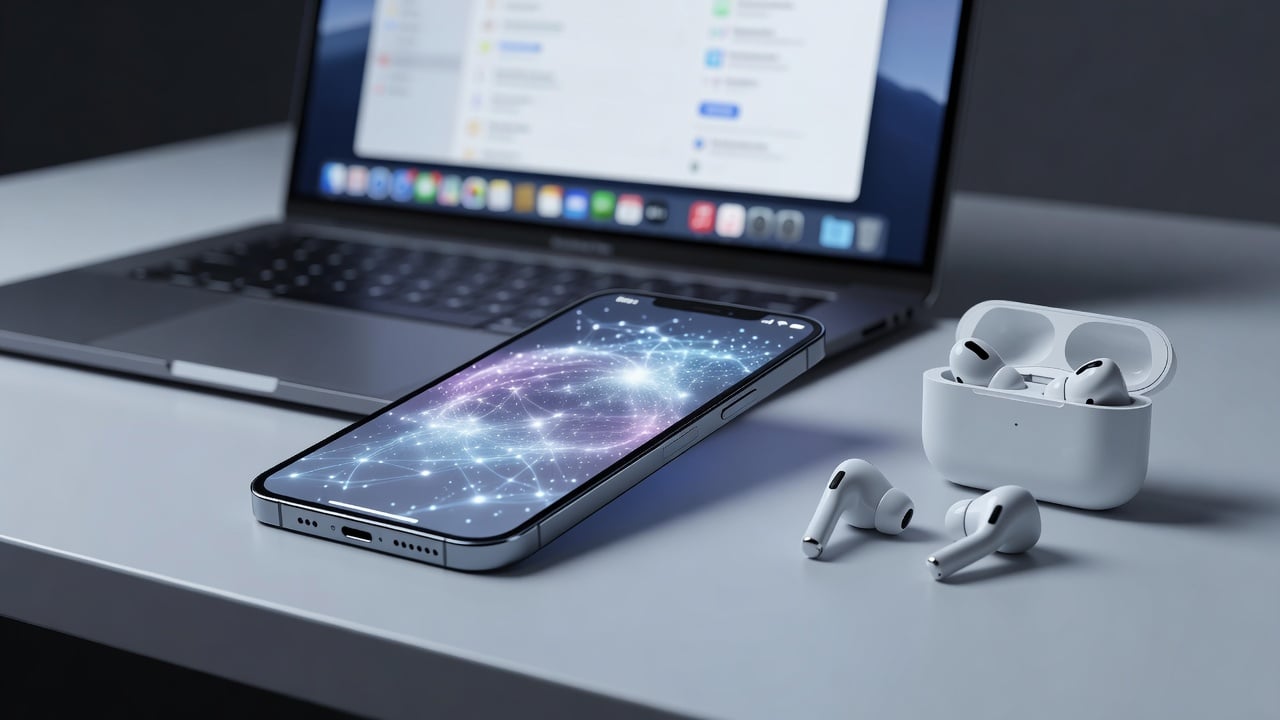
Apple spent years promising a smarter voice assistant. Now, with the public beta of iOS 27 rolling out, early testers say the company has delivered. The new Siri AI handles open questions, recalls personal details from emails and photos, and maintains context across long conversations. It feels less like a scripted tool and more like a capable aide. But does it live up to the hype two years after the initial announcement?
Ryan Christoffel tested the beta for over a month. Writing for 9to5Mac, he declared the update meets every expectation he held. “Siri AI launches this fall in iOS 27, and after more than a month using the beta, I can happily say the new Siri delivers in every way I’d hoped for.” His assessment carries weight. Christoffel describes himself as an average iPhone user who treats AI mainly as a search replacement. No developer benchmarks. No hype cycles. Just daily utility.
The changes start with knowledge. Previous versions of Siri drew from narrow data sets. This one pulls from the web for current events, sports scores, or recipe adjustments. Ask about a breaking news story from this morning and it cites sources. Follow up with “What do experts say about the economic impact?” and it continues without missing a beat. The conversational flow stands in sharp contrast to the old stop-and-start exchanges.
A dedicated Siri app now serves as the hub. Users scroll through past interactions. They pick up threads from yesterday or last week. That history syncs across iPhone, iPad, Mac, and Watch through iCloud. The same intelligence level appears everywhere. No more fragmented experiences where the Mac version knows less than the phone. Apple outlined this vision in its June newsroom release. Executives called the assistant “profoundly more capable and conversational” with personal context understanding and onscreen awareness.
Integration runs deeper than talk. Siri AI scans messages, notes, calendars, and photos on the device. “Find that photo from our trip to Lisbon last spring where we ate at that seafood place,” yields results in seconds. It then books a similar reservation for next month if asked. Such tasks once required multiple apps and manual copying. Now one request chains them together. Privacy remains a priority. Apple processes much of the work on-device or through Private Cloud Compute. No training on user data, the company insists.
Visual Intelligence expands too. Point the camera at an object and Siri identifies it, suggests recipes, or compares prices. Early reviews praise accuracy on everyday items. Yet some testers note occasional misfires with obscure objects or poor lighting. The beta tag explains those gaps. Refinements will come.
Recent coverage adds color. A July 13 report from Macworld details how Siri AI now recognizes onscreen content and draws on web data for timely answers. Users adjust voice pace and expressiveness. The new tone sounds more natural, less robotic. One X post from today captured the shift. An engineer wrote that the iOS 27 version replaces traditional search for him. No need to jump between apps anymore.
Analysts have watched Apple’s AI path closely. The 2024 announcement raised expectations. Delays followed. Competitors advanced. Google and OpenAI rolled out multimodal models while Apple refined its approach. Bloomberg noted in mid-June that the new Siri eases the company’s AI pressure even if it largely fulfills promises from two years prior. “Apple’s new Siri AI, despite mainly delivering on promises made two years ago, is good enough to help ease Apple out of its AI crisis.”
Compatibility covers recent hardware. iPhone 16 models and later, plus iPhone 15 Pro, select iPads with M1 or newer, and Macs with M-series chips. Older devices miss out on the full Apple Intelligence features. That decision drew criticism. Yet it ensures smooth performance. Heavy on-device processing demands capable silicon.
Developers gained early access in June. They built actions that Siri can now perform inside third-party apps. Book a ride, draft an email, or summarize a document. The writing tools integrate neatly. Summarize notes. Rewrite sentences at different reading levels. Generate outlines. These aids appear system-wide, not just in one app.
But not everything feels perfect yet. Some beta users report glitches with swipe gestures for invoking Siri from the Dynamic Island. Notifications and Control Center sometimes overlap. One X user complained today that the top-down swipes feel inconsistent. Another praised context awareness but wished for faster responses on older supported hardware. These issues likely shrink before the fall public release.
The dedicated app changes habits. Instead of quick voice commands, users type or speak longer queries. They reference earlier answers. “Remember when I asked about that stock last week? Update me.” The thread persists. Cross-device continuity means starting research on the iPhone and finishing on the Mac without repetition. That consistency stands as a quiet strength. Competitors offer strong chatbots. Few match this level of hardware-software harmony.
Privacy architecture draws attention. Apple routes complex queries through servers that never store requests or link them to accounts. Independent audits back the claims. For enterprise users and privacy-conscious consumers, this matters. It differentiates the product in a market wary of data collection.
Industry watchers compare it to past Siri overhauls. The 2011 debut dazzled. Then stagnation set in. Voice recognition improved. Understanding lagged. This update attacks both fronts. Better natural language models handle nuance. On-device machine learning adds speed. The combination produces fluid dialogue. Follow-ups no longer reset context.
Christoffel’s piece resonates because it avoids exaggeration. He doesn’t claim the assistant will replace search engines or human assistants. He simply says it works for ordinary tasks. Pull up flight details from an email. Adjust a shopping list based on dietary notes. Check calendar conflicts before accepting an invite. Small wins accumulate. “My guess is this puts me right in line with the average iPhone user,” he wrote.
Public beta feedback on X reflects mixed but mostly positive sentiment. Several posts from the past 24 hours highlight improved reliability over previous betas. One user said the assistant now understands accented English better. Another noted accurate photo search across years of images. Complaints center on occasional cloud delays or overly cautious refusals on sensitive topics.
Apple positioned the feature as part of broader Apple Intelligence tools. Writing aids, notification summaries, and image generation sit alongside Siri AI. The assistant acts as the orchestrator. Speak once and multiple capabilities activate. That orchestration could define success more than any single breakthrough.
Release timing aligns with fall hardware launches. iPhone 18 rumors already mention tighter integration points. A possible foldable model could benefit from the onscreen awareness. For now, the beta offers a preview. Early adopters test limits. They file feedback. Apple iterates.
The stakes remain high. Voice assistants promised convenience for over a decade. Many delivered frustration instead. This version aims to flip the script. It won’t satisfy power users chasing the absolute latest model benchmarks. For millions of everyday owners, however, it could mark the moment Siri finally became useful. Consistent. Aware. Helpful.
Plenty of questions remain before the official launch. How will battery life hold up with constant background processing? Will developers embrace the new action APIs quickly? Can the voice convey emotion without sounding artificial? Testers will keep probing. The answers will shape whether this counts as a solid step or a transformative one.
One thing seems clear from current reports. The foundation looks strong. Apple took the time to build something that fits its privacy standards and hardware strengths. The result feels thoughtful rather than rushed. For an average user tired of repeating commands or getting irrelevant answers, that matters most.


 WebProNews is an iEntry Publication