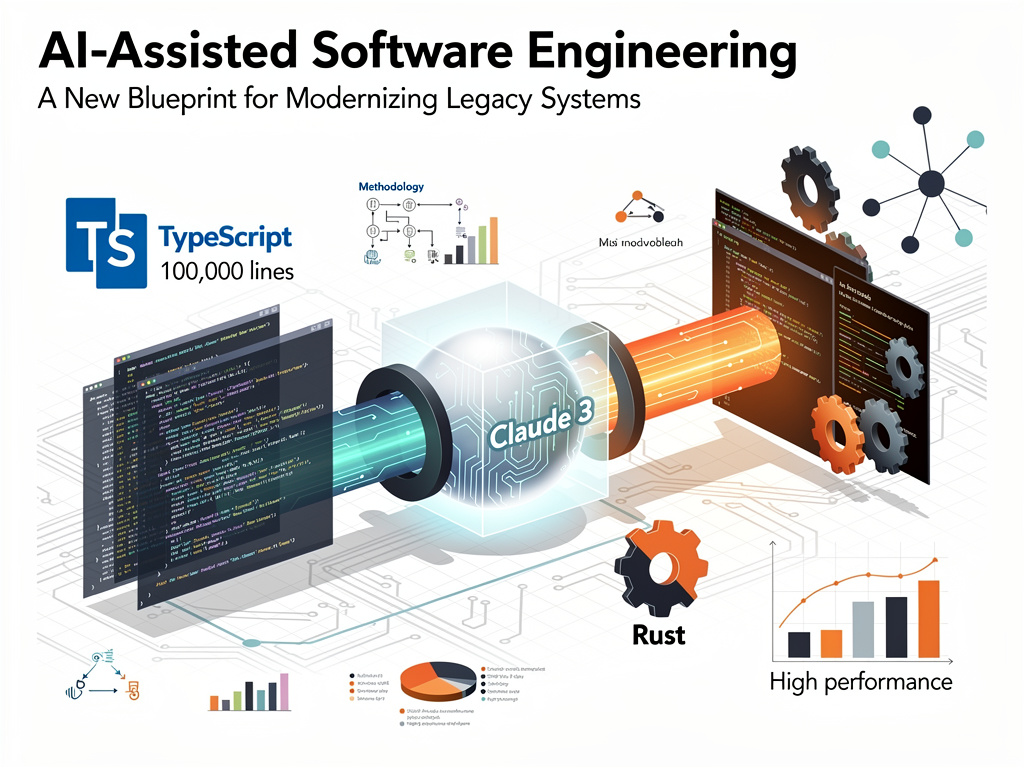
Linus Torvalds, Linux creator, surprised the tech world by using AI "vibe coding" for his hobby project AudioNoise, simulating audio effects. He employed Google's Antigravity for Python visualizations while hand-coding the C core, viewing AI as suitable for experiments but not critical systems. This pragmatic shift sparks debates on AI's role in development.
As cyber threats evolve, ensuring your Cisco Secure Firewall remains optimized and up to date is essential. Join us for a 45-minute webinar designed for Cisco Firewall customers renewing their licenses, where we’ll walk through the latest updates, security enhancements, and best practices to help you maximize your investment.
|
Shopify CEO Tobi Lutke demonstrated agentic AI by prompting it to organize and annotate his MRI scans from a USB stick, creating an accessible digital archive. This highlights AI's shift to autonomous tasks, boosting productivity in healthcare and e-commerce, while raising ethics and privacy concerns. Such innovations promise to democratize data management.
Drew Breunig's "whenwords" is a code-free software library that uses AI prompts to generate time-formatting functions, challenging traditional coding paradigms. It highlights AI's role in efficient, adaptable development amid low/no-code trends, though critics note reliability concerns. This innovation signals a shift toward AI-orchestrated software creation.
|
|
|
|
|
A Google engineer revealed that Anthropic's Claude Code built a complex distributed agent orchestrator in one hour, surpassing her team's year-long effort. This highlights AI's potential to revolutionize software development by dramatically boosting productivity, though it raises concerns about job impacts and ethical integration.
|
|
|
|
|
|
|
|