|
Tuesday Oct 13, 2026 |
Today's Exclusive
2 min read
Understanding the Divide: How Digital Marketing Adapts to Male and Female AudiencesMarketers often tailor shopping paths, ad copy, social channels and loyalty programs to male and female audiences. Here's how those broad tendencies shape digital campaigns, and why they should be tested against real customer data. |
|
Sponsored
|
|
Successful digital marketing relies on knowing who's on the other side of the screen, and gender is one of the most common ways marketers segment an audience. Whether a brand sells organic skincare or premium cigars, tailoring the digital experience to male or female shoppers can change the whole strategy. The patterns below are broad tendencies marketers often work from, not rules, and every campaign should be checked against its own customer data. The Online Shopping JourneyMen and women often approach online shopping with different goals. Many male shoppers treat it as a mission: they know what they want before they open the browser. Someone who needs a new power drill may search for that model, check the price and check out as quickly as possible. For that kind of buyer, the purchase path should be short, with simple navigation and a clear route to the cart. 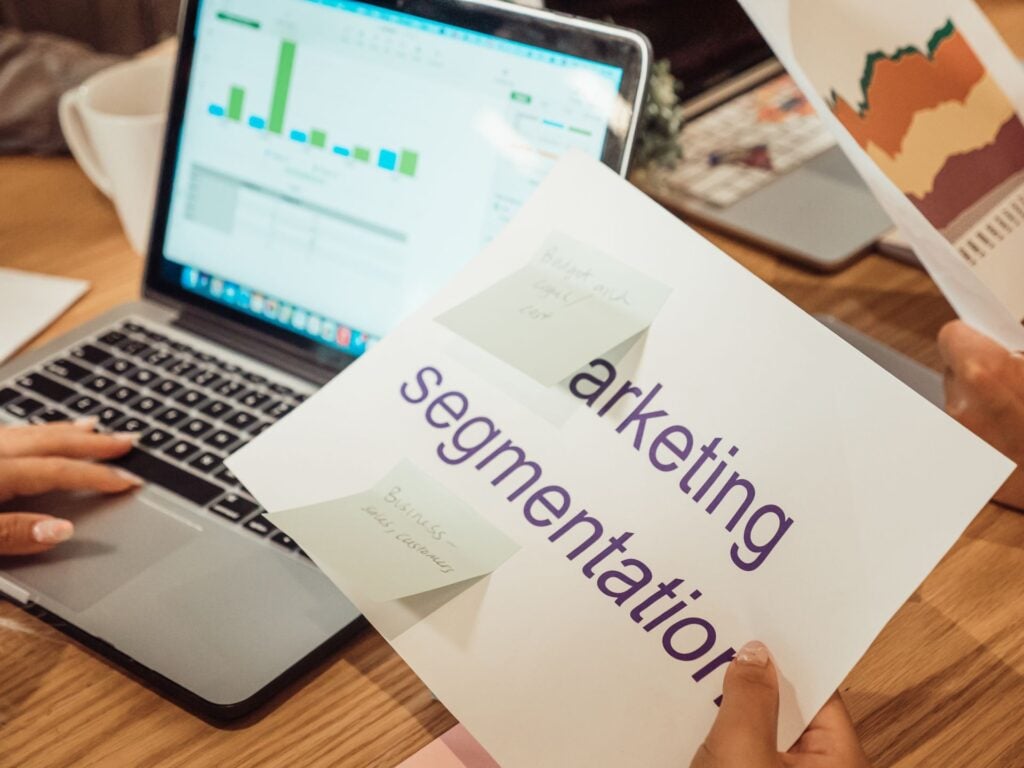 Many female shoppers, by contrast, browse more widely, compare alternatives and read customer reviews before deciding. They may also look for information about a product's background, the company's ethical practices and how an item fits into daily life. That argues for detailed product descriptions, good lifestyle photography and plenty of reviews. Visuals and CopywritingAd copy and landing pages can shift with the audience too. For a male audience, brevity tends to work: bullet points, quick facts and technical specifications that say what the product does and how it compares. Clean layouts, bold type and images focused on the product fit that approach. |
Sponsored by Nielsen Is Your Marketing Balanced? Join This Free Webinar!Join our free webinar on Tuesday, 15 July, at 10:30 am ET / 3:30 pm BST to discover how to optimise your marketing mix for sustainable growth. |
|
||
|
||
|
||
|
||
|
||
|
||
|
MarketingStrategiesPro
Published by WebProNews, a leading publisher of business and technology newsletters since 1999. |
| More newsletters Advertise X Facebook LinkedIn |
|
Copyright © 2026 WebProNews, All rights reserved. Our mailing address is: 3070 Harrodsburg Road, Suite 230 Lexington, KY 40503 You're receiving this because you subscribed to MarketingStrategiesPro. |