|
Friday Oct 16, 2026 |
Today's Exclusive
4 min read
U.S. Jobless Claims Hold Near Historic Lows as Layoffs Stay RareInitial jobless claims rose by 1,000 to 199,000, a fifth straight week under 200,000 that matches the longest such run since 1969. Continuing claims edged lower. |
|
Sponsored
|
|
The latest snapshot of the American labor market shows new unemployment claims edging higher but remaining extraordinarily contained. For the week ended Oct. 10, initial claims rose by 1,000 to a seasonally adjusted 199,000. That figure came in just below the 200,000 that economists had expected. But look closer. This marks the fifth consecutive week below the 200,000 threshold. Such a streak last occurred in 1969. The four-week moving average climbed a mere 250 to 198,500. These numbers point to something unusual: a labor market where employers simply refuse to let people go. 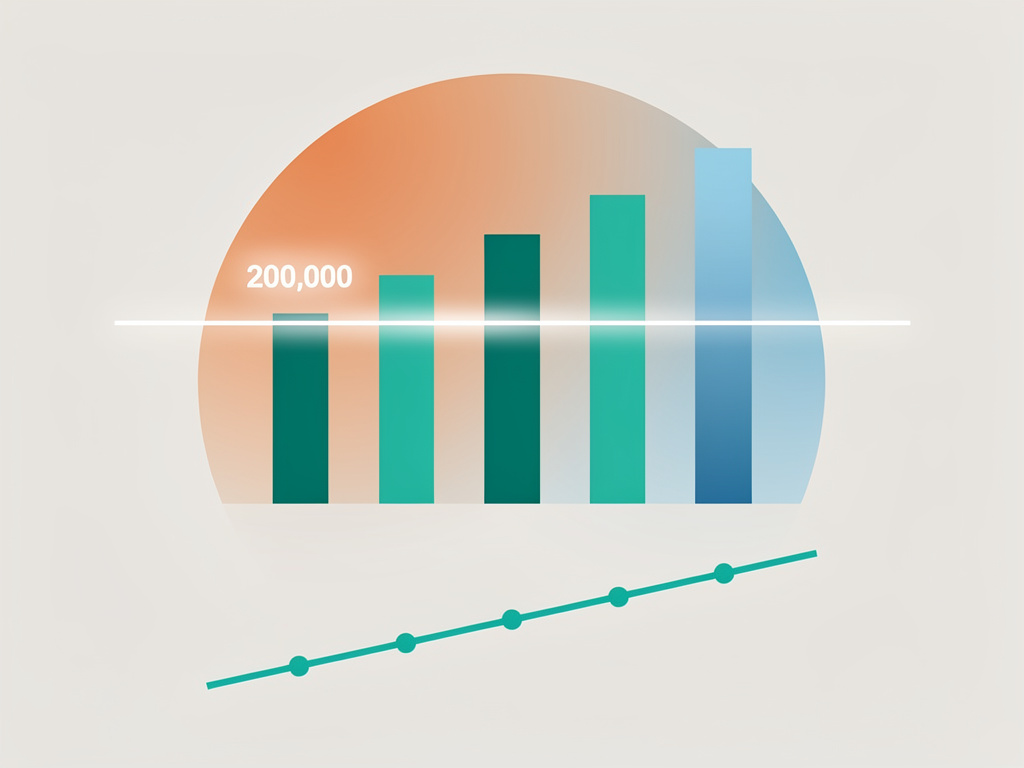 Reuters reported the data from the Labor Department on Thursday. The previous week's reading was revised upward to 198,000 from an initial 197,000. Minor revisions like this happen often. They rarely change the broader story. Continuing claims, which track how many people stay on benefits after the first week, fell by 4,000 to 1.710 million in the week ended Oct. 3. That proxy for hiring pressure sits near multi-year lows. Yet the median duration of unemployment reached 11.5 weeks in September. Near a four-and-a-half-year high. Workers who lose jobs take longer to find new ones. |
Sponsored by Snyk Introducing the AI Readiness FrameworkSnyk’s AI Readiness Framework is your roadmap for building and maturing secure AI development practices in the new AI risk landscape. |
|
||
|
||
|
||
|
||
|
||
|
||
|
GlobalWorkforceInsights
Published by WebProNews, a leading publisher of business and technology newsletters since 1999. |
| More newsletters Advertise X Facebook LinkedIn |
|
Copyright © 2026 WebProNews, All rights reserved. Our mailing address is: 3070 Harrodsburg Road, Suite 230 Lexington, KY 40503 You're receiving this because you subscribed to GlobalWorkforceInsights. |