|
Friday Feb 13, 2026 |
Today's Exclusive
7 min read
Inside the Robot Revolution: How Packaging and Logistics Giants Are Betting Billions on Warehouse Automation to Survive the Labor CrunchPackaging and logistics companies are accelerating warehouse automation investments amid chronic labor shortages, deploying robotics-as-a-service models, AI-driven systems, and automated packaging lines that promise faster ROI and transformed operations across the supply chain. |
|
Sponsored
|
|
The modern warehouse is undergoing a transformation that would be unrecognizable to logistics veterans of even a decade ago. Where rows of workers once sorted, packed, and palletized goods by hand, fleets of autonomous mobile robots now glide across polished concrete floors, robotic arms pick and place items with sub-millimeter precision, and artificial intelligence orchestrates the entire ballet from cloud-based control towers. The shift is not hypothetical or aspirational — it is happening now, at scale, and the companies leading the charge say there is no turning back. The urgency behind this automation push is rooted in a stubborn reality: the logistics industry simply cannot find enough workers. Despite wage increases, signing bonuses, and improved benefits, warehouses across the United States and Europe continue to face chronic labor shortages. The Bureau of Labor Statistics has consistently shown that the warehousing and storage sector struggles with high turnover rates, often exceeding 40% annually. As e-commerce volumes continue their relentless climb — with consumers expecting next-day or even same-day delivery — the gap between labor supply and operational demand has become an existential threat to the industry's ability to function. 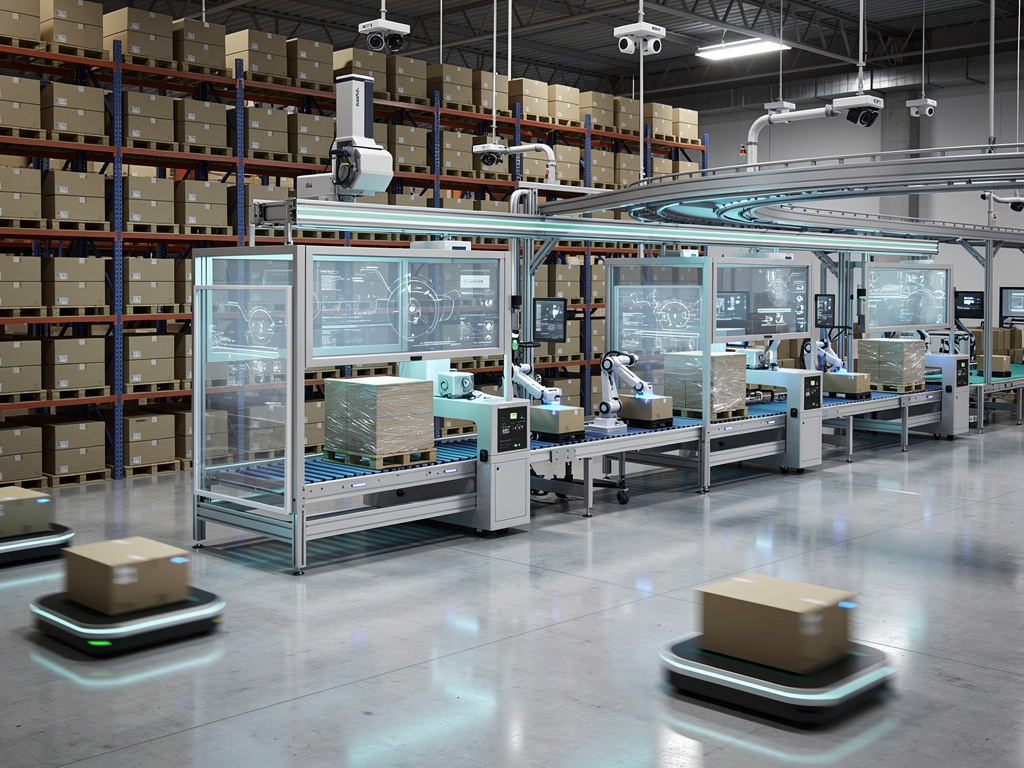 A Labor Crisis That Robots Were Built to SolveAccording to reporting by CNBC, major packaging and logistics companies are accelerating their investments in warehouse automation at a pace that has surprised even industry analysts. The report details how firms across the supply chain — from third-party logistics providers to direct-to-consumer brands — are deploying robotic systems not merely as supplements to human labor, but as foundational elements of their operational strategies. The drivers are clear: labor costs that continue to rise, a demographic shift that is shrinking the pool of workers willing to take physically demanding warehouse jobs, and the relentless pressure from customers who expect faster fulfillment at lower costs. The numbers tell a compelling story. The global warehouse automation market, valued at roughly $23 billion in 2023, is projected to surpass $40 billion by 2028, according to estimates from LogisticsIQ and other research firms. Companies like Amazon, which has long been the poster child for warehouse robotics, now operate more than 750,000 robots across its fulfillment network. But the trend has spread far beyond Big Tech. Mid-sized logistics operators, regional distributors, and even traditional packaging companies are making significant capital commitments to automation infrastructure. |
Sponsored by Flexential AI is changing your infrastructure. Are you ready?Download the eBook, The impact of AI on data center security, sustainability, and talent development, to explore AI’s impact on data centers and how to prepare for what’s next. |
|
||
|
||
|
||
|
||
|
||
|
||
|
LogisticsPro
Published by WebProNews, a leading publisher of business and technology newsletters since 1999. |
| More newsletters Advertise X Facebook LinkedIn |
|
Copyright © 2026 WebProNews, All rights reserved. Our mailing address is: 3070 Harrodsburg Road, Suite 230 Lexington, KY 40503 You're receiving this because you subscribed to LogisticsPro. |